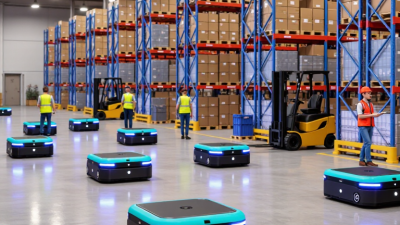
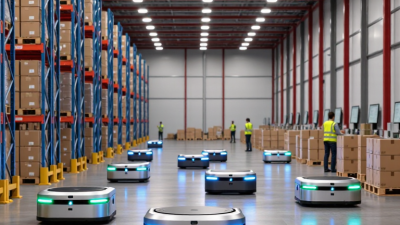
What Are the Top AMR Robot Types in 2026?

In 2026, the top AMR robot types are not defined by one universal ranking. They are defined by the work they perform, the loads they carry, and the spaces they must navigate. An amr robot may move shelves, tow carts, transport pallets, or deliver small items between workstations. The category is broad. That can make comparisons confusing.

This guide examines common types, including goods-to-person robots, under-rack units, tugger AMRs, autonomous forklifts, and unit-load carriers. A goods-to-person system can bring a shelf or tote to a picking station. A tugger may pull several carts along a warehouse route, while an autonomous forklift handles pallet movement. Their sensors, navigation methods, payload ratings, and operating requirements vary. Some models suit narrow aisles; others need clear turning space or carefully planned traffic routes.

Choosing a type starts with observing the actual workflow. How heavy are the loads? Where do people cross the route? How often do deliveries change? These details matter more than a polished product label. Performance also depends on integration, floor conditions, charging plans, and staff training. A robot can look efficient in a demonstration and still struggle with a busy doorway. That is worth admitting. The sections ahead compare each type’s typical strengths, limitations, and best-fit tasks, so readers can assess options against real operational needs rather than assume one AMR solution fits every facility.
What Are the Top AMR Robot Types in 2026?

AMRs vs. AGVs: How Autonomous Navigation Shapes Robot Types

AMRs and AGVs can carry similar loads, but their navigation changes how they work on a factory floor. Traditional AGVs follow defined routes, often marked by tape, wires, or reflectors. They suit repeatable trips between fixed stations. An AMR uses onboard sensors and maps to locate itself, detect obstacles, and choose a passable route. That difference matters when a cart blocks an aisle.

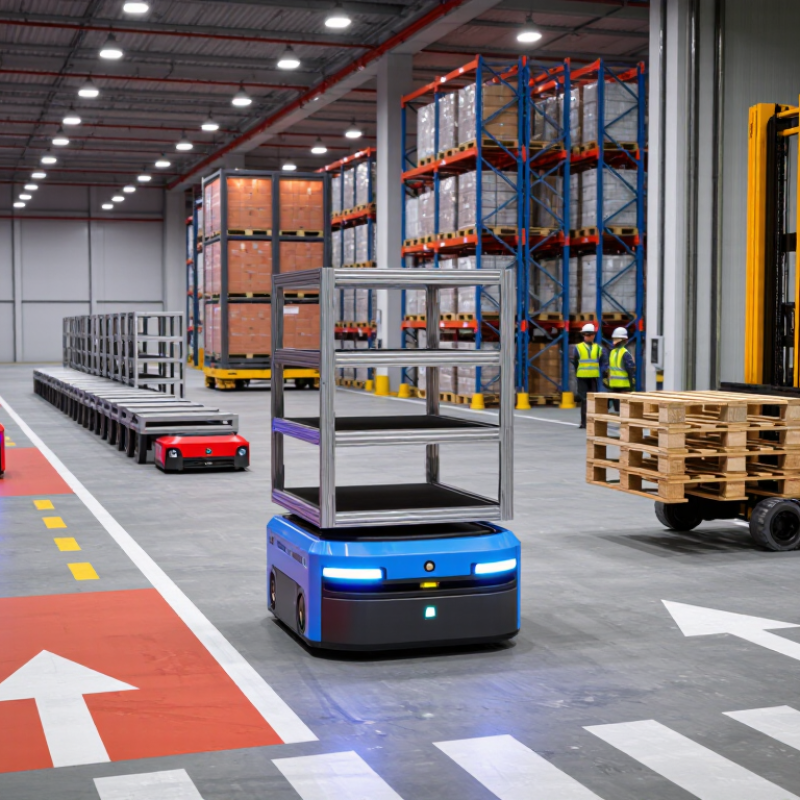
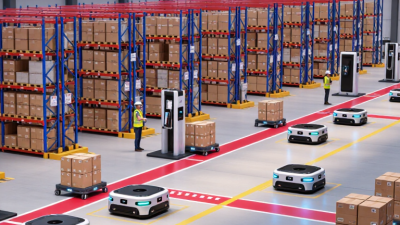
Common AMR types include cart and tugger robots for moving bins, shelf-moving units for goods-to-person picking, and autonomous pallet movers for heavier loads. Their names describe the job, not one universal design. A tugger may tow several carts along a warehouse loop, while a shelf-moving robot slips beneath a rack. AGVs can perform similar tasks, but changes to their routes may require more infrastructure work. Not always.

In practice, navigation is only part of the choice. A site with stable lanes and predictable traffic may get reliable service from guided vehicles. A busy facility with shifting work areas may benefit from AMRs that reroute around people or temporary obstructions. Still, “autonomous” does not mean infallible. Reflective floors, crowded crossings, and poorly placed charging points can disrupt operation. I would assess the actual route, payload, and traffic before treating any robot type as the obvious answer.
IFR: 113,000 Transport-and-Logistics Robots Sold in 2023, Up 35%

In 2026, the most useful AMR type will depend on the load, route, and handoff point. The International Federation of Robotics reported about 113,000 professional service robots sold for transportation and logistics in 2023, up 35% year over year, in its World Robotics 2024 report. This category is broader than AMRs alone, so the figure should not be read as AMR sales. Still, it signals strong demand for moving goods. Common options include goods-to-person units that carry shelves or carts, tugger AMRs that pull train-like carts, pallet movers, and autonomous forklifts for heavier loads. Busy facilities may need more than one type.

The growth is real. But fit matters more than hype. A low-profile robot may shuttle totes between packing stations, while a pallet mover handles heavier loads across wider aisles. Before choosing, map doorways, floor transitions, traffic peaks, and pickup locations. These details often decide whether a fleet flows smoothly or waits behind a blocked aisle. IFR’s sales data show market momentum, not guaranteed productivity or a universal payback period. Site trials remain essential.

Tips:

  • Measure the narrowest aisle and heaviest routine load.
  • Test handoffs during a real shift, not an empty-floor demo.
  • Keep a manual fallback for unusual traffic or misplaced carts.
  • One awkward corner can change the plan.

Goods-to-Person AMRs: Moving Inventory to Warehouse Pickers

What Are the Top AMR Robot Types in 2026?

Goods-to-Person AMRs: Moving Inventory to Warehouse Pickers

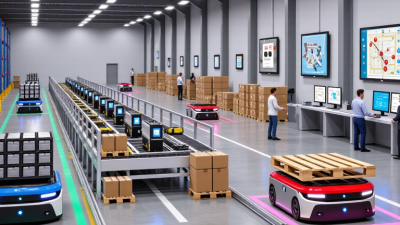
Goods-to-person AMRs bring shelves, carts, or totes to fixed picking stations, reducing the distance workers walk between picks. A picker scans an order, removes the required items, and sends the container onward. The robot then returns the inventory or delivers another load.

That matters. A 2007 literature review by de Koster, Le-Duc, and Roodbergen cites estimates that order picking can account for up to 55% of warehouse operating costs. This figure is not universal, but it shows why reducing travel can be valuable.

Performance depends on more than robot speed. Software must coordinate order priorities, replenishment, station capacity, and traffic in shared aisles. A tote arriving early can still create a queue if the picker is busy. Small details count. Teams should measure picks per hour, waiting time, travel distance, and picking errors before and after deployment. They should also test peak periods, not just quiet shifts. A realistic pilot may reveal that narrow aisles or uneven inventory placement limit gains. The awkward lesson is that automation can move congestion rather than remove it. Good station design and clear procedures matter as much as the vehicles themselves.

Pallet Movers, Tuggers, and Autonomous Forklifts: Comparing Load Transport

What Are the Top AMR Robot Types in 2026?

Pallet Movers, Tuggers, and Autonomous Forklifts: Comparing Load Transport

Pallet movers, tuggers, and autonomous forklifts solve different transport problems. Pallet movers carry loads directly, often between production cells and staging areas. They suit predictable routes and standard pallets, but can struggle when aisles are crowded or loads vary. Tuggers pull several carts in one trip, making them useful for scheduled, repeatable deliveries. The trade-off is turning space: a long train needs room, and one blocked route can delay every cart. Autonomous forklifts lift and stack pallets, so they handle transfers that floor-level robots cannot. Yet they need clear pickup points, stable pallets, and careful traffic planning.

Adoption is growing, but the numbers do not tell the whole story.

The International Federation of Robotics reported about 113,000 professional service robots for transportation and logistics sold in 2023, up 35% year over year in World Robotics 2024. That category includes more than AMRs, so it should not be read as an AMR-only count.

In practice, compare payload, travel distance, lift height, and delivery frequency before choosing a type. A tugger may move more goods per trip, while a pallet mover can offer simpler point-to-point handling. Real floors are messy. Test the route during busy shifts; clean maps and quiet aisles can make a weak plan look convincing.

Inventory-Scanning AMRs: Using Mobile Robots for Stock Visibility

What Are the Top AMR Robot Types in 2026?
Inventory-Scanning AMRs: Using Mobile Robots for Stock Visibility

Inventory-scanning AMRs travel warehouse aisles and read product labels, barcodes, or location tags. They can revisit shelves after hours, compare observed stock with inventory records, and flag mismatches for staff. A quiet aisle helps. So does a clear label. These robots are useful for frequent checks in large facilities, but they do not make every count accurate. Damaged labels, blocked goods, and poor lighting can still create gaps.

The 2023 Zebra Warehousing Vision Study reported that 76% of warehouse decision-makers planned to invest in technology to improve operations by 2027. That signals interest in modernization, not proof that scanning AMRs deliver a specific return. Before deployment, teams should test scan rates, aisle access, and how exceptions reach workers. One missed location can matter. The awkward truth: better visibility may reveal inventory problems without fixing their causes.

Tips: Start with one aisle and compare robot scans against a careful manual count. Track missed reads and time spent resolving exceptions. Keep labels visible, and review mismatches with staff; the robot’s record is not always the whole story.