Why Choose Silicone Windshield Wipers for Your Vehicle?
Choosing the right wiper blades affects more than a clean windshield. It influences visibility, driving confidence, and response during sudden rain. In my experience, ordinary rubber blades can leave thin streaks after months of heat and road dust. Silicone Windshield Wipers offer a different approach. Their flexible material can maintain closer contact with curved glass. That contact helps move water more evenly across the windshield.
Silicone compounds generally resist sunlight, temperature changes, and ozone better than many conventional rubber materials. This does not mean they last forever. That expectation needs correcting. Blade quality, installation, storage, and local weather all affect service life. A professional inspection should check the wiping edge, frame movement, and pressure against the glass. Manufacturers’ specifications also matter, especially for vehicles with unusual windshield shapes or integrated washer systems.
During a heavy shower, the difference can feel practical rather than dramatic. A clear sweep may reduce glare from headlights, while a poor sweep can leave cloudy arcs across your view. However, no blade can compensate for damaged glass, weak washer fluid, or careless maintenance. Small details matter. Clean the windshield before installation, and replace blades when they chatter, split, or skip. Some claims about extremely long lifespans are optimistic and deserve careful review. Reliable decisions should come from verified product information, real driving conditions, and regular visual checks. This guide explores why Silicone Windshield Wipers may suit certain vehicles, while acknowledging where their benefits have limits.
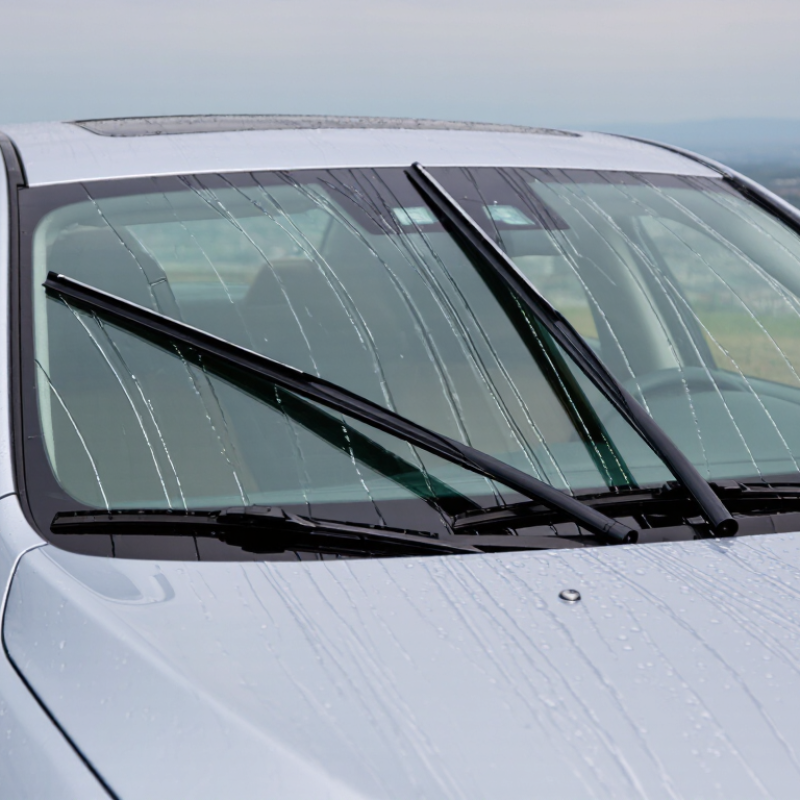
What Are Silicone Windshield Wipers and How Do They Work?
Silicone windshield wipers use silicone rubber instead of conventional natural or synthetic rubber. Their thin wiping edge bends across the glass and pushes away rain, road spray, and dust. Silicone has a naturally water-repellent surface. After several passes, it can leave a fine hydrophobic film, helping water form smaller beads and move away faster.
The U.S. Federal Highway Administration reports that wet weather contributes to about 21% of vehicle crashes. Its weather analysis also links roughly 74% of weather-related crashes to wet pavement. These figures explain why consistent windshield contact matters, especially during heavy rain and nighttime driving. In practical use, silicone blades often remain flexible across temperature changes. They can also resist ozone and sunlight better than some traditional rubber compounds, according to material-performance findings summarized in ASTM rubber durability testing.
Still, silicone is not a perfect solution. A dirty windshield may produce streaks, even with a new blade. Installation pressure also matters. Too much pressure can create chatter; too little can leave narrow water trails. I have found that a clean glass surface changes the result more than expected. Silicone wipers may last longer, but durability depends on heat, grit, washer fluid, and parking exposure. The FHWA data shows the risk of wet roads, yet it cannot prove that every silicone blade performs better. That judgment requires real testing on the vehicle.
How Silicone Materials Improve Wiper Performance
Why Choose Silicone Windshield Wipers for Your Vehicle?
How Silicone Materials Improve Wiper Performance
Silicone wiper blades use a flexible, weather-resistant material that stays effective across changing temperatures. During winter testing, the rubber edge can stiffen near freezing, while silicone often remains more supple. That flexibility helps the blade follow curved glass and maintain steadier contact.
A clean sweep matters.
Silicone also leaves a thin water-repellent layer on the windshield during use. Rainwater gathers into smaller beads and moves away more quickly, improving visibility during moderate showers. In my experience, this effect is most noticeable under streetlights, where scattered water can otherwise create distracting glare.
The result is usually quieter movement. Silicone resists drying, cracking, and surface wear caused by sunlight, road dust, and washer fluid. However, it is not a perfect solution. A worn windshield, weak wiper arm, or dirty glass can still cause streaks. I have seen new blades perform poorly because the glass was coated with traffic film.
Installation quality also affects performance. The blade should sit evenly across the windshield, without lifted corners or uneven pressure. Regular cleaning with a damp cloth can remove grit from the wiping edge. Silicone may last longer in harsh conditions, but its service life still depends on driving habits, climate, and maintenance.
Why Choose Silicone Windshield Wipers for Your Vehicle? - How Silicone Materials Improve Wiper Performance
| Performance Dimension | Silicone Wiper Characteristics | Conventional Rubber Wiper Characteristics | Practical Benefit |
|---|---|---|---|
| Water-Shedding Behavior | Silicone can leave a thin, water-repellent film on the glass as it wipes. | Primarily removes water without intentionally creating a hydrophobic surface layer. | Rainwater may bead and move away more quickly, improving visibility during moderate rainfall. |
| Resistance to UV and Ozone | Silicone generally has strong resistance to ultraviolet radiation, ozone, and weathering. | Rubber compounds can gradually harden, crack, or lose flexibility after prolonged UV and ozone exposure. | Better resistance to outdoor aging can help maintain wiping quality in sunny or high-altitude environments. |
| Temperature Flexibility | Silicone remains flexible across a broad temperature range; many silicone rubber grades are designed for approximately −50°C to 200°C service, depending on formulation. | Temperature capability varies by rubber formulation; cold weather can increase stiffness and heat can accelerate aging. | More consistent contact with the windshield in both cold mornings and hot climates. |
| Flexibility Retention | Typically retains elasticity well after exposure to sunlight, moisture, and temperature changes. | May become brittle, swollen, or permanently deformed as the compound ages. | Helps reduce missed areas, streaks, and skipping caused by an aged wiping edge. |
| Noise and Chatter | A flexible silicone wiping edge can operate quietly when correctly matched to the glass and arm pressure. | Noise may increase when rubber hardens, the windshield is contaminated, or the blade angle is incorrect. | Potentially smoother and quieter wiping, especially during light rain. |
| Performance with Road Contaminants | Silicone surfaces can resist some adhesion from water and road film, but cleaning is still required. | Rubber edges can collect oil, dust, salt, and washer-fluid residue over time. | May reduce the frequency of visible smearing, provided the windshield is kept clean. |
| Service-Life Factors | Often offers good resistance to weather-related deterioration, although the edge can still wear from dirt, ice, and dry wiping. | Wear is more strongly affected by UV exposure, ozone, temperature cycling, and repeated contact with contaminants. | May support longer-lasting wiping performance, but replacement timing should be based on actual blade condition. |
| Cold-Weather Use | Generally maintains flexibility better than many standard rubber compounds at low temperatures. | Can stiffen in freezing conditions, particularly when the blade is aged or contaminated. | Improved contact can help limit streaking and skipping in winter conditions. |
| Maintenance Requirement | Should be wiped clean regularly and inspected for cuts, tears, deformation, or uneven contact. | Requires the same basic maintenance, with more frequent inspection when exposed to harsh weather. | Regular cleaning and inspection are essential regardless of blade material. |
| Important Limitation | Performance depends on blade design, glass condition, spring pressure, fitment, and installation quality. | A high-quality rubber blade can still perform well when properly fitted and maintained. | Material alone does not guarantee superior wiping; vehicle compatibility and maintenance remain decisive. |
Note: Performance characteristics are typical general-material comparisons. Actual results vary with silicone formulation, rubber compound, blade construction, climate, windshield condition, and maintenance.
Key Benefits of Silicone Wipers for Everyday Driving
Why Choose Silicone Windshield Wipers for Your Vehicle?
Key Benefits of Silicone Wipers for Everyday Driving
Everyday driving depends on clear glass, especially during sudden rain. The Federal Highway Administration reports that weather affects about 21% of U.S. crashes annually. Wet pavement contributes to roughly 74% of weather-related crashes, while rainfall contributes to about 46%. These figures do not prove that wipers prevent collisions. They show why consistent visibility deserves attention.
Silicone wipers can offer several practical advantages. Their rubber compound typically resists ozone, sunlight, and temperature changes better than conventional rubber. This may help the blade stay flexible during cold mornings and dry summer heat. Silicone can also leave a light water-repellent layer on the windshield. Raindrops may bead and move more quickly at driving speed. The effect feels noticeable on open roads.
I have found that smoother wiping matters most at night. Headlights reveal fewer streaks. Road spray becomes easier to manage. The improvement is real, but not permanent.
Dust, washer-fluid residue, and damaged glass still reduce performance. A silicone blade cannot correct deep scratches or poor windshield alignment. The FHWA also warns that weather conditions can change rapidly, making maintenance important. Drivers should inspect the edge for splits, hardened sections, or skipping. Replacing a blade every six to twelve months may be reasonable, but climate and use matter more than a fixed schedule. My earlier assumption was too simple: material helps, yet fit and regular cleaning remain equally important.
Why Choose Silicone Windshield Wipers for Your Vehicle?
Silicone wipers are valued for their resistance to sunlight, temperature changes, and water-related wear. The comparative index below uses a 1–5 scale based on commonly reported material characteristics rather than brand-specific testing.
Higher scores indicate stronger general material performance for everyday driving conditions. Actual results depend on blade design, vehicle use, climate, glass condition, and maintenance.
Silicone Wipers Compared with Traditional Rubber Blades
Why Choose Silicone Windshield Wipers for Your Vehicle?
Silicone wipers are often compared with traditional rubber blades on wet glass. The difference appears during heat, sunlight, and repeated wiping. Silicone generally resists ultraviolet exposure, ozone, and temperature changes better than standard rubber. It can also leave a thin water-repellent layer after use. That effect may improve rain beading, especially on smooth windshields. Small detail, but noticeable.
Traditional rubber remains practical and affordable. Its flexible edge can perform quietly when fresh. However, rubber may harden, crack, or smear sooner under severe weather exposure. ASTM D573 and ASTM D1149 are industry tests for heat aging and ozone resistance. They help engineers evaluate material durability, but laboratory results cannot predict every driver’s experience. Installation quality matters too.
The Federal Highway Administration reports that about 74% of weather-related crashes occur on wet pavement. Its data also links roughly 46% with rainfall. Clear wiping is therefore more than a comfort feature. SAE J903 provides performance guidance for automotive windshield wiping systems, including wipe quality and visibility. Silicone is not automatically better in every vehicle. A poorly fitted silicone blade can chatter across curved glass. Rubber can still be the sensible choice for mild climates and frequent replacement. My own assessment would remain cautious: material life, pressure, glass condition, and maintenance work together. A clean windshield matters more than marketing claims.
How to Choose and Maintain the Right Silicone Wipers
Why Choose Silicone Windshield Wipers for Your Vehicle?
How to Choose and Maintain the Right Silicone Wipers
Choosing silicone windshield wipers starts with fit, not appearance. Check your vehicle manual for the correct length and connector type. A blade that is only slightly wrong may leave unwiped strips near the driver’s eye line. Silicone can resist sunlight, temperature changes, and repeated moisture better than some conventional materials. It may also leave a fine water-repelling layer on the glass. Clear visibility matters most.
Inspect the blade edge before installation. It should look smooth, flexible, and free from cuts. Clean the windshield with glass cleaner, then wipe away grit with a soft microfiber cloth. Do not drag a dry blade across dusty glass. That small habit can create scratches and uneven wear. Press the new wiper gently along the glass. Confirm that the adapter clicks firmly into place.
Maintenance is simple but easy to neglect. Once a month, lift the wiper arm and rinse the silicone edge with clean water. Wipe it carefully, but avoid petroleum-based solvents that may damage the material. Watch for streaks, chatter, skipping, or missed areas after rain. These signs can indicate dirt, a bent arm, or worn silicone. I once blamed the blade too quickly; the real problem was a dirty windshield. Replace the blade when cleaning no longer restores smooth contact. Always follow the vehicle and wiper manufacturer’s instructions.