What is Supply Chain Automation and How Can It Benefit You?
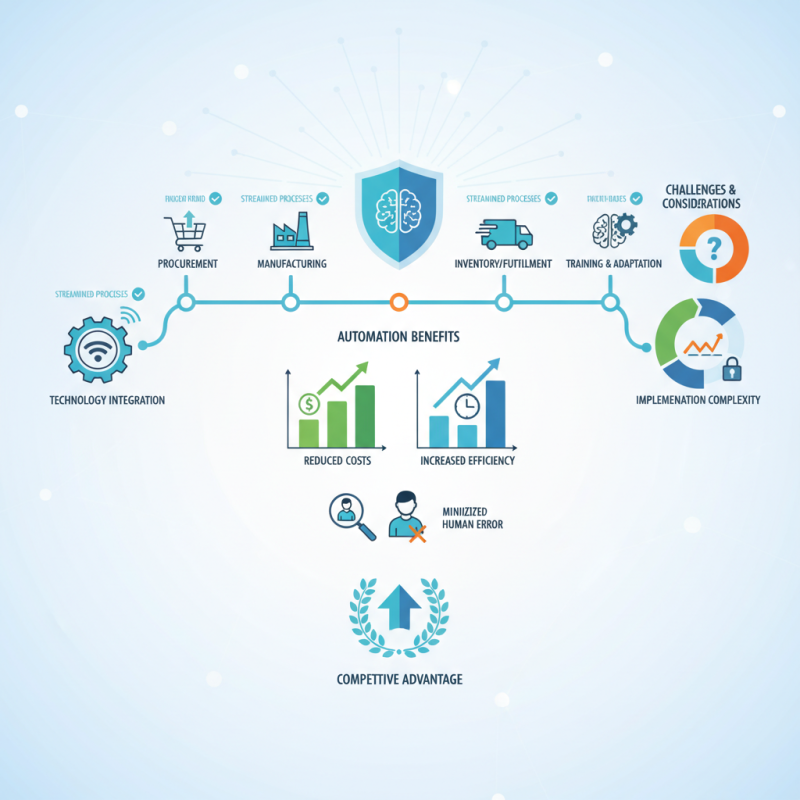
Supply chain automation is transforming the way businesses operate. It streamlines processes by integrating technology. Companies now leverage automation to increase efficiency and reduce costs. From procurement to logistics, every stage benefits from enhanced accuracy.
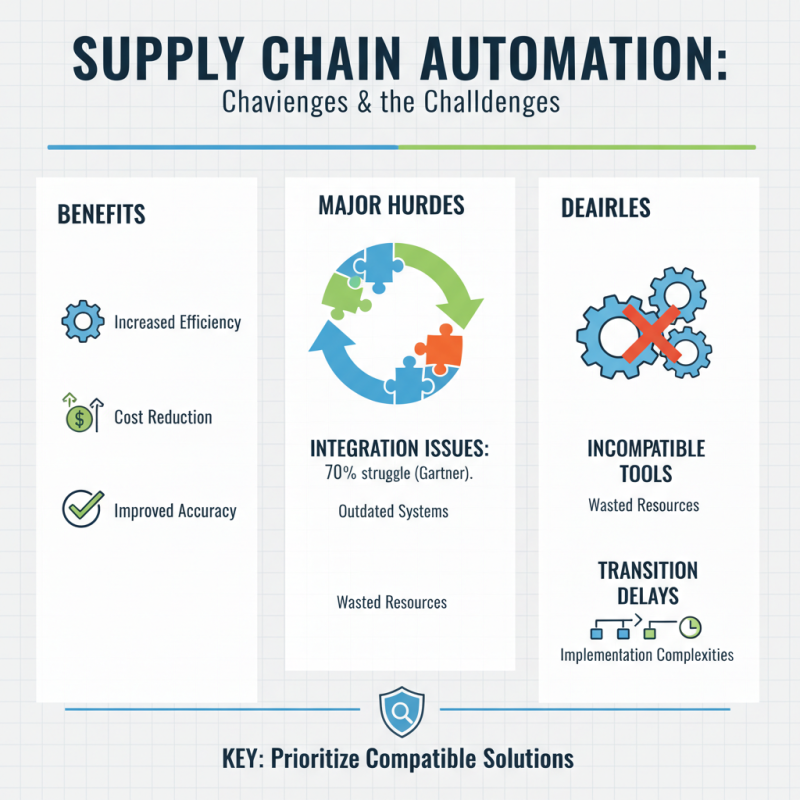
This technology also minimizes human error, which can be costly. Organizations are learning to adapt these systems to their specific needs. However, the transition is not without challenges. Not all businesses are ready for this shift. Adjusting to new tools requires training and sometimes, a cultural change.
As we explore supply chain automation, we will uncover its benefits and potential pitfalls. It's essential to weigh the advantages against the complexities of implementation. A thoughtful approach can lead to significant improvements and competitive edge in the market.
Understanding Supply Chain Automation: An Overview
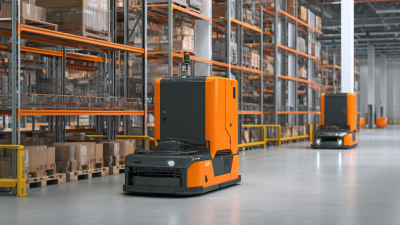
Supply chain automation streamlines processes using technology and software. This approach saves time, reduces errors, and optimizes resource allocation. Automated systems can track shipments, manage inventory, and forecast demand. Data integration ensures smooth operations and quick responses to changes.
Companies can adopt various tools for automation. For instance, robotic process automation (RPA) can handle repetitive tasks. This frees up employees for more strategic roles. However, implementing these technologies requires careful planning and training. Organizations may face challenges in adjusting workflows and managing change.
Ultimately, the benefits of supply chain automation are significant. Improved efficiency and accuracy lead to cost reductions. Yet, firms must ensure they maintain human oversight. Balancing technology with personal touch is crucial for long-term success. Reflections on experiences with automation can shed light on best practices.
What is Supply Chain Automation and How Can It Benefit You?
| Benefit |
Description |
Potential Impact (%) |
| Increased Efficiency |
Automates routine tasks, reducing time and effort required for operations. |
30% - 50% |
| Cost Reduction |
Lowers operational costs through resource optimization and minimized errors. |
20% - 40% |
| Improved Data Accuracy |
Enhances data entry processes, leading to better inventory and sales forecasts. |
15% - 30% |
| Greater Flexibility |
Allows businesses to adapt quickly to changing market conditions and supplier dynamics. |
25% - 45% |
| Enhanced Customer Satisfaction |
Improves order processing times and accuracy, leading to happier customers. |
10% - 35% |
Key Components of Supply Chain Automation Technology
Supply chain automation leverages advanced technologies to streamline processes and enhance efficiency. Key components include
robotics,
artificial intelligence (AI), and
the Internet of Things (IoT).
These technologies work together to
reduce manual tasks, minimize errors, and improve overall performance. In fact, a report by McKinsey indicates that automation can potentially increase productivity by up to
30% in supply chain operations.
Robotics automate physical tasks such as picking and packing. They can operate continuously, increasing throughput. AI algorithms analyze data patterns in real-time, offering insights for better decision-making. The IoT connects devices, enabling seamless communication throughout the supply chain. According to Gartner, companies adopting IoT solutions can boost inventory accuracy by
20%, a crucial metric for supply chain management.
While these technologies offer significant benefits, challenges remain. Initial investments can be high, and integration with existing systems may encounter hurdles. It’s essential for businesses to conduct a thorough
cost-benefit analysis before implementation. Additionally, workforce retraining is vital to ensure employees can adapt to new tools. Balancing technology with human skills is key to
successful supply chain automation.
Benefits of Supply Chain Automation for Businesses
Supply chain automation revolutionizes how businesses operate. It streamlines processes, reduces errors, and enhances efficiency. By implementing automated systems, organizations can manage inventory levels more effectively. This allows for quicker response times to market demands. For example, an automated inventory management system tracks stock in real-time. This means no more overstocks or stockouts.
Automation also provides data-driven insights. Companies can analyze trends and make informed decisions. This is crucial for demand forecasting and planning. Moreover, automating repetitive tasks frees up employees. They can focus on higher-value activities. However, transitioning to automation requires careful planning. Employees may resist changes, and systems must be integrated smoothly.
Not every business will benefit equally from automation. Smaller enterprises may find the initial investment daunting. Yet, even small-scale automation can lead to significant cost savings and efficiency gains. Each business must assess its unique needs and capabilities. The key lies in balancing automation with human expertise to achieve optimal results.
Future Trends in Supply Chain Automation and Innovation
Future trends in supply chain automation promise to revolutionize the industry. Research shows that 68% of supply chain professionals believe automation will drive efficiency. Increasingly, artificial intelligence (AI) is being integrated into supply chain operations. AI can analyze vast amounts of data quickly. This capability helps businesses predict demand and optimize inventory levels.
Robotics and IoT (Internet of Things) are also playing significant roles in this transformation. According to industry reports, nearly 75% of companies are planning to invest in robotic process automation by 2025. These technologies can streamline warehousing processes. However, the initial investment remains a concern for many organizations.
While the trends are encouraging, challenges persist. Not all companies have the resources to adopt advanced technologies. Integration with existing systems may also present obstacles. Continuous training for staff is crucial. Without proper support, these advancements may lead to inefficiencies rather than solutions.
Supply Chain Automation Benefits Over Time
This chart illustrates the benefits of supply chain automation in terms of cost reduction and efficiency improvement from 2020 to 2024. As technology advances and companies invest in automation, it's expected that these percentages will continue to rise.