Top 10 Differences Between AGV and AMR Technologies?
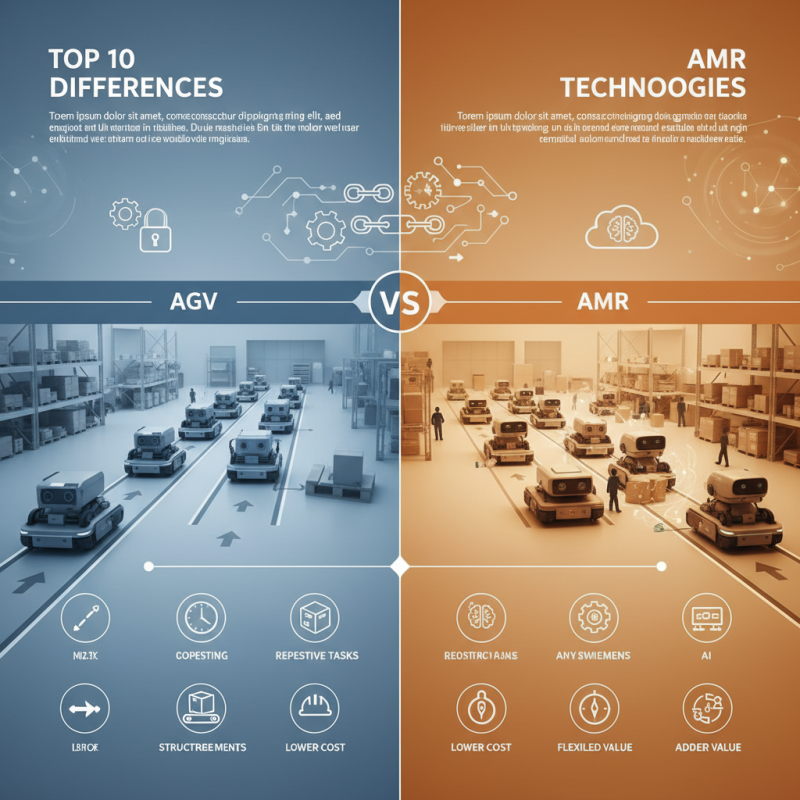
In the world of automation, AGV and AMR technologies play crucial roles. Understanding their differences helps businesses optimize logistics. AGV, or Automated Guided Vehicle, relies on predetermined paths. These vehicles are effective in structured environments. They excel in repetitive tasks, often within warehouses.
On the other hand, AMR, or Autonomous Mobile Robot, navigates dynamically. AMRs use advanced sensors and AI to interact with their surroundings. This flexibility allows them to operate in changing spaces, adapting as needed. As businesses demand more agility, AMRs gain popularity.
The distinctions between AGV and AMR are significant. Companies must evaluate their specific needs before investing. Not all operations benefit equally from both technologies. The nuances of AGV and AMR will shape the future of automated solutions.
Definition and Overview of AGV (Automated Guided Vehicle) Technology
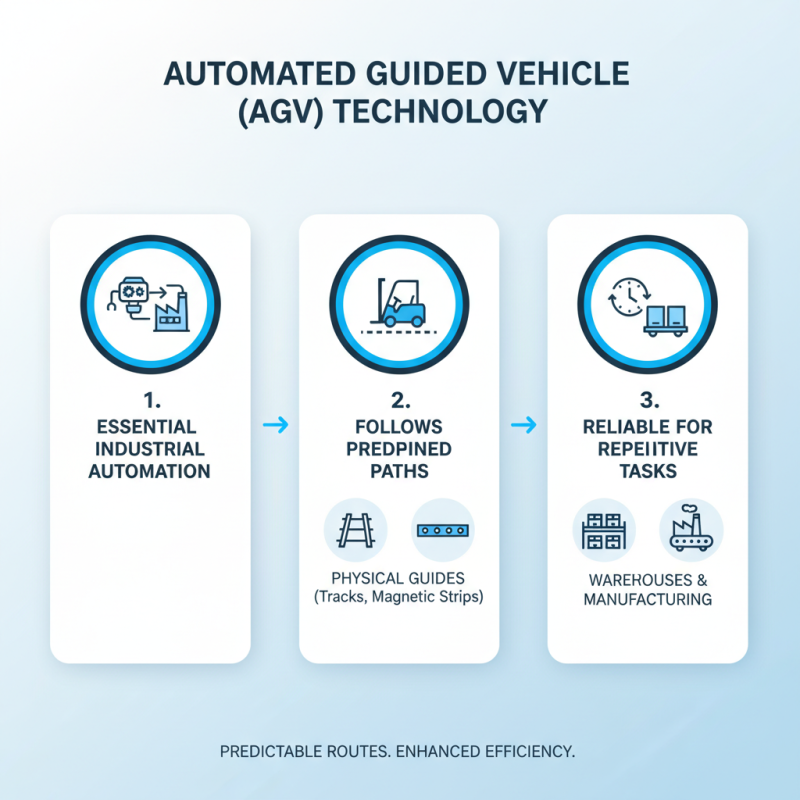
Automated Guided Vehicles (AGVs) are essential components of modern industrial automation. These vehicles follow predefined paths. Typically, they use physical guides like tracks or magnetic strips for navigation. By relying on this fixed infrastructure, AGVs provide predictable routes. This makes them reliable for repetitive tasks in warehouses and manufacturing facilities.
AGVs enhance efficiency in material handling. Their ability to transport goods between designated points is invaluable. While they excel at routine operations, they have limitations. They require extensive setup and cannot adapt easily to changing environments. When obstacles appear, AGVs halt to avoid collisions. This can disrupt workflow and delay processes.
As industries evolve, flexibility becomes vital. In contrast to AGVs, other technologies like Autonomous Mobile Robots (AMRs) offer more adaptability. They can navigate complex environments using advanced sensors and AI. While AGVs play a crucial role, the rise of AMRs highlights the need for innovative solutions. Reflection upon the operational demands reveals that AGVs, while effective, may require integration with more intelligent systems to meet future challenges.
Definition and Overview of AMR (Autonomous Mobile Robot) Technology
Autonomous Mobile Robot (AMR) technology represents a significant advancement in automation. AMRs can navigate complex environments without manual intervention. They utilize advanced sensors and artificial intelligence to perceive and respond to their surroundings. This capability allows them to work alongside humans in warehouses, factories, and retail spaces.
Unlike traditional robotic systems, AMRs do not rely on predefined paths. They make real-time decisions, adjusting their routes based on obstacles and changes in their environment. This adaptability enhances efficiency, but it introduces challenges in navigation accuracy and safety. Sometimes, AMRs may require recalibration or updates to their software for optimal performance.
The technology is still evolving. While AMRs showcase impressive capabilities, integration into existing infrastructures poses questions. Compatibility with legacy systems and training for staff is crucial. Organizations often face teething issues in their deployment. Reflection on these experiences can lead to improved systems in the long run. Investing time in understanding AMRs may reveal unforeseen benefits and learning opportunities.
Key Differences in Navigation Methods between AGVs and AMRs
In recent years, the landscape of material handling has transformed significantly with the advent of Automated Guided Vehicles (AGVs) and Autonomous Mobile Robots (AMRs). A key difference between these technologies lies in their navigation methods. AGVs primarily rely on predefined pathways. They often use magnetic strips or embedded tracks to guide their movements. This limits their flexibility but ensures precise navigation.
Conversely, AMRs utilize advanced technologies like LIDAR, cameras, and 3D mapping. These tools enable them to navigate dynamic environments. According to a report from the Association for Advancing Automation, the adoption of AMRs has increased by over 30% in warehouse settings. This growth reflects their ability to adapt in real-time to obstacles or changes in layout. Skeptics may note that AMRs face challenges in complex scenarios, requiring extensive programming for optimal performance.
As industries push for greater efficiency, the choice between AGVs and AMRs becomes crucial. AGVs provide a controlled environment. However, they may struggle in rapidly changing settings. AMRs, while more flexible, can require more significant investment in terms of time and resources for implementation. Industries must weigh these factors carefully when selecting the best solution for their needs.
Top 10 Differences Between AGV and AMR Technologies
| Feature |
AGV (Automated Guided Vehicle) |
AMR (Autonomous Mobile Robot) |
| Navigation Method |
Uses predefined paths, typically guided by tracks or magnetic tape. |
Uses advanced sensors and algorithms to navigate free spaces. |
| Flexibility |
Less flexible; requires modifications for path changes. |
Highly flexible; can adapt routes in real-time. |
| Obstacle Detection |
Limited obstacle detection; typically stops upon contact. |
Equipped with sensors for dynamic obstacle avoidance. |
| Cost |
Generally lower initial investment. |
Higher initial investment but more versatile in the long run. |
| Use Cases |
Ideal for repetitive tasks in structured environments. |
Ideal for complex tasks in dynamic environments. |
| Speed |
Avg speed of 1.5-3 mph based on safety protocols. |
Avg speed can reach 5 mph, depending on environment. |
| Integration |
Less effective integration with IoT and warehouse systems. |
Designed for seamless integration with modern systems. |
| Scalability |
Limited scalability due to fixed paths. |
Highly scalable; easily adds more units without system reconfiguration. |
| Adaptability |
Poor adaptability in changing environments. |
Highly adaptable, learning from new layouts quickly. |
| User Interaction |
Minimal user interaction needed after setup. |
Requires user interaction for learning and task management. |
Comparative Analysis of Sensing and Perception Capabilities
In the landscape of automation, two technologies stand out: Automated Guided Vehicles (AGVs) and Autonomous Mobile Robots (AMRs). A crucial aspect that differentiates these technologies lies in their sensing and perception capabilities. AGVs typically rely on predefined paths, using basic sensors like magnetic strips or laser systems for navigation. This method limits their adaptability to changing environments. In contrast, AMRs utilize advanced sensors, including LIDAR, cameras, and ultrasonic sensors. This technology allows them to navigate dynamically, react to obstacles, and even map their surroundings in real-time.
A study by industry experts highlights that AMRs can achieve a 98% accuracy rate in obstacle detection. In comparison, AGVs often struggle with unstructured environments, leading to operational inefficiencies. The reliance on specific pathways may result in downtime during unforeseen disruptions. The adaptability of AMRs not only boosts productivity but also enhances safety in warehouses and factories. Observations show that AMR deployment can reduce labor costs by up to 30%, illustrating their growing role in modern logistics.
This comparison reveals the importance of perception capabilities in these technologies. While AGVs are reliable in controlled settings, they lack the flexibility to excel in more complex tasks. The growing demands of industry require solutions that embrace change, urging a shift toward AMR technology. As both technologies advance, businesses must evaluate their specific needs and environments to make informed decisions.
Applications and Use Cases for AGVs vs. AMRs in Various Industries
The rise of robotic technologies has transformed various industries, with Automated Guided Vehicles (AGVs) and Autonomous Mobile Robots (AMRs) leading the way. AGVs follow predetermined paths and are often used in manufacturing for transporting materials. They excel in repetitive tasks but can struggle in dynamic environments. AMRs, on the other hand, use sensors and AI to navigate their surroundings. This flexibility allows them to adapt to changing layouts, making them ideal for logistics and warehousing.
In healthcare settings, AGVs are applied for delivering medication and clean linens. They operate efficiently in structured zones. AMRs, however, show great potential in assisting with patient transport. They navigate crowded spaces effectively, providing valuable support to medical staff. Manufacturing and e-commerce also benefit from both technologies. AGVs streamline assembly lines while AMRs can manage inventory in warehouses.
When considering these technologies, here are some tips: Understand your environment before choosing between AGVs and AMRs. Assess whether your operations require rigid paths or flexibility. Training staff to work with these robots is essential to maximize productivity. Robot technology is evolving, and businesses should evaluate their options regularly. Ensure that the technology aligns with your operational goals for the best outcome.
Top 10 Differences Between AGV and AMR Technologies
This chart illustrates the key differences between Automated Guided Vehicles (AGVs) and Autonomous Mobile Robots (AMRs) across various parameters. The scores from 1 to 10 indicate the performance or capability in each dimension, highlighting the strengths and weaknesses of each technology.