How to Choose the Right Distribution Board in 2026?
Choosing the right Distribution Board in 2026 requires more than counting circuit breakers. It demands practical judgment, verified specifications, and attention to future electrical loads. A compact board may suit a small apartment, yet fail in a workshop with motors, chargers, and outdoor equipment.
Jean-Pascal Tricoire, former Schneider Electric CEO, said, “The best energy is the energy you don’t consume.” His statement offers a useful direction for board selection. Efficient layouts, sensible circuit separation, and accurate load calculations can reduce wasted capacity and unnecessary upgrades. Energy monitoring may also help facility owners understand real consumption, rather than relying on assumptions.
Safety remains the central test. Check the rated current, short-circuit withstand capacity, voltage, enclosure protection, busbar quality, and available expansion space. Confirm compatibility with residual-current devices, surge protection, smart meters, and other protective components. Local installation requirements must also guide the final choice.
Think beyond today.
A reliable Distribution Board should handle expected growth without becoming oversized, overheated, or difficult to maintain. Thermal conditions matter, especially inside crowded cabinets exposed to sunlight. Clear labels, accessible terminals, and orderly cable routing save time during inspection and repairs. They also reduce avoidable mistakes.
The checklist is not perfect. Real buildings change, and projected loads can be wrong. That is why a qualified electrical professional should review the design, installation environment, and protection settings before purchase. Product brochures help, but site measurements tell the fuller story. In 2026, the strongest choice will balance safety, flexibility, efficiency, and honest planning.
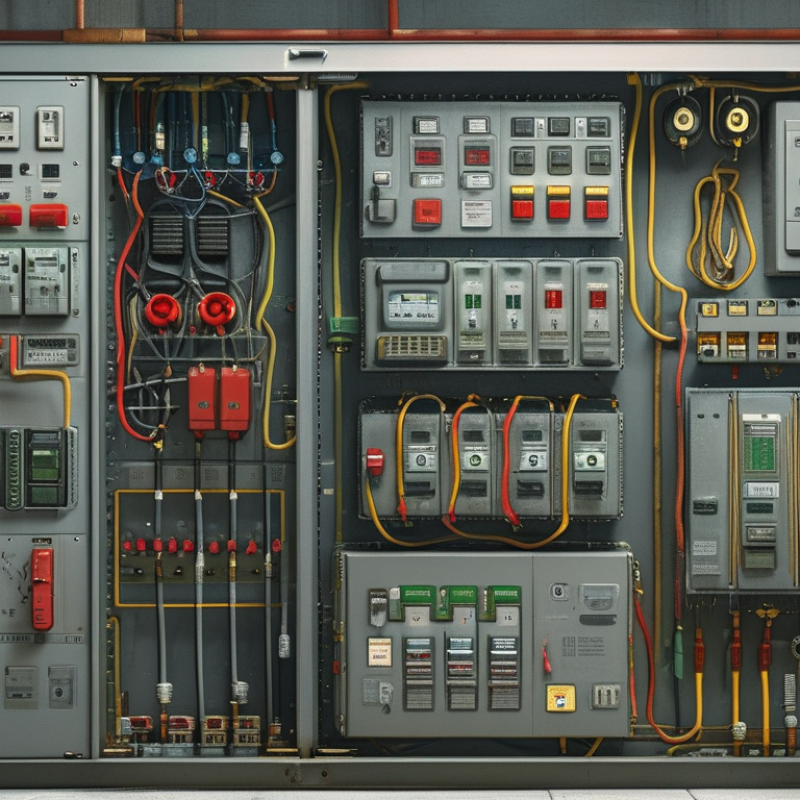
Understand the Purpose and Types of Distribution Boards
How to Choose the Right Distribution Board in 2026?
A distribution board receives electrical power and divides it into safer, manageable circuits. It protects wiring through circuit breakers, residual-current protection, and clear isolation points. In a home, separate circuits may serve lighting, sockets, cooking equipment, and outdoor loads. In a workshop, machines often require dedicated protection and stronger fault-handling capacity. I once underestimated future circuit demand during a small renovation. The board became crowded quickly. That mistake was avoidable.
Distribution boards vary by application, capacity, enclosure, and installation environment. A consumer unit suits many residential systems, while a panelboard supports larger commercial circuits. Weather-resistant enclosures help protect equipment in damp or dusty areas. Modular boards allow later expansion, but unused space still needs careful planning. Check the supply type, rated current, fault level, number of outgoing ways, and available physical space. A qualified electrician should verify compatibility with local codes and the existing installation.
Tips: Leave practical spare capacity for future circuits. Label every circuit clearly, including emergency isolation points. Check that protective devices match the cable size and expected load. Do not choose only by appearance or price. Ask for inspection records and test results. If the layout feels confusing, stop and review it. Small details matter.
Assess Electrical Load, Circuits, and Future Expansion Needs
How to Choose the Right Distribution Board in 2026?
Choosing a distribution board starts with the electrical load, not the cabinet size. List every circuit, including lighting, sockets, heating, pumps, and kitchen appliances. Record each circuit’s rated current and expected operating time. A cooker and an electric vehicle charger can change the calculation quickly. Do not rely on the total of nameplate ratings alone. Diversity factors, starting currents, and continuous loads require professional judgment.
I once underestimated a workshop circuit because the tools rarely ran together. That assumption looked reasonable, but future equipment made it unsafe. A qualified electrician should verify demand, cable ratings, protective devices, and fault levels. The board must provide enough ways for separate circuits and suitable space for residual-current protection. Clear circuit labels matter too. They save time during testing and emergencies.
Future expansion deserves practical attention. Leave spare ways and physical room for additional protective devices, especially in homes adding solar generation, storage batteries, or heat pumps. Check the incoming supply capacity before selecting a larger board. A bigger enclosure cannot create more available power. Local electrical codes and inspection requirements also influence the correct arrangement. Keep records of circuit schedules, test results, and load assumptions. Some assumptions will be wrong. Recheck them after major renovations or changes in equipment.
Choose the Correct Board Size, Material, and Protection Features
How to Choose the Right Distribution Board in 2026?
Choosing the correct distribution board starts with its size. Start with the incoming supply, expected load, and available circuit space. Count existing circuits, then allow spare ways for future lighting, sockets, heating, or electric vehicle equipment. Leave room for maintenance. A cramped board makes testing harder and increases wiring errors. For most homes, a board with 20–24 usable ways provides practical flexibility. Larger installations need a qualified electrical designer to confirm demand and fault levels.
Material affects durability and fire performance. Plastic enclosures can suit controlled indoor locations, but they may offer less mechanical protection. Metal enclosures are often preferred where impact resistance and fire containment matter. That choice depends on the installation environment, not appearance. Check the enclosure’s IP rating for dust and moisture exposure. A damp utility room needs more protection than a dry hallway.
Protection features deserve close attention. An incoming isolator allows safe disconnection during inspection. Use correctly rated circuit breakers for each cable and connected load. Residual current protection can reduce electric shock risk when properly selected. Surge protection helps limit damage from transient overvoltage. Verify coordination between protective devices, cable capacity, and prospective fault current. Do not guess. Local electrical rules and inspection requirements must guide the final selection. A neat board can still be poorly planned. Good protection matters.
How to Choose the Right Distribution Board in 2026?
Choose the correct board size, material, and protection features for the installation environment.
Board Size Allow space for the required circuits, protective devices, cable bending radius, heat dissipation, and future expansion.
Material Selection Use painted steel for general indoor installations, stainless steel for corrosive areas, and suitable insulated materials where electrical insulation or weight reduction is important.
Protection Features The IP rating follows IEC 60529: the first digit indicates protection against solid objects and dust, while the second digit indicates protection against water.