How Long Does Chocolate Last Tips for Checking Expiration
Chocolate is a beloved treat, but how long does it last? Understanding Chocolate expiration is essential for both quality and safety. According to industry reports, chocolate can remain fresh for months or even years, depending on its type and storage conditions. For instance, dark chocolate can last up to two years, while milk chocolate may only be good for about a year.
Proper storage significantly influences chocolate's lifespan. It’s best to keep chocolate in a cool, dry place, ideally in an airtight container. However, consumers often neglect this advice. Many people leave chocolate exposed to air or in warm environments, reducing its shelf life. The texture and taste of chocolate change over time, which can lead to disappointment.
While most chocolate doesn’t necessarily become harmful after its expiration date, its quality can decline noticeably. Signs of spoilage include a dull appearance or a lack of aroma. It’s crucial to remain vigilant and check chocolate expiration dates. Being aware of how to store and assess chocolate can enhance the overall experience of this cherished sweet.
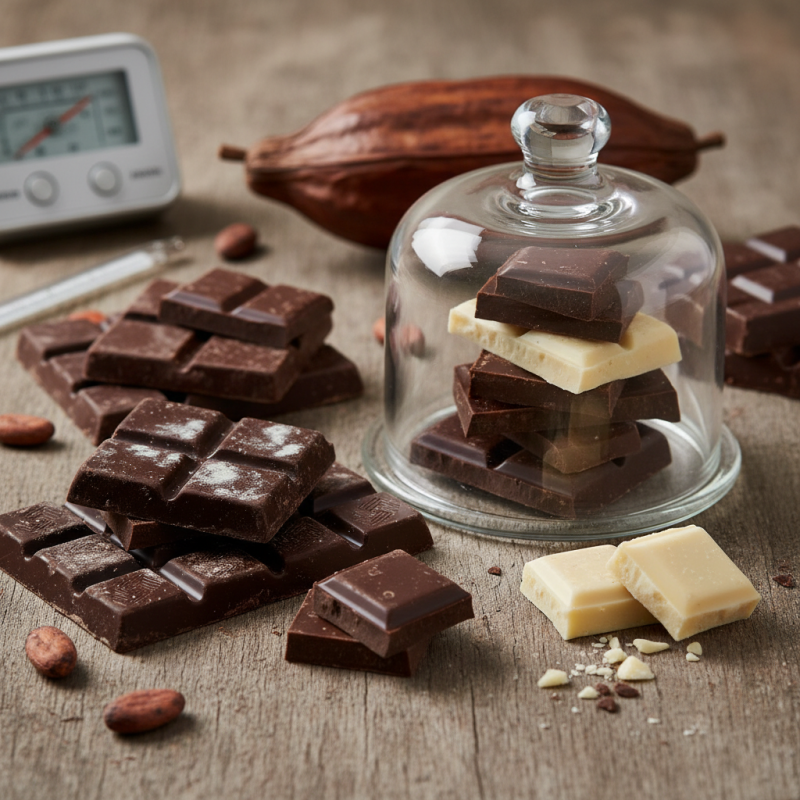
Understanding Chocolate Shelf Life
Chocolate has a shelf life that can vary depending on its type and storage conditions. Generally, solid chocolate can last for a year if stored properly, while chocolate with fillings may only last a few months. The freshness of chocolate plays a key role in its flavor and texture.
To check if chocolate is still good, look for any signs of discoloration or a grainy texture. This may indicate that it has expired. A quick sniff can also help; if it has an off smell, it’s better to discard it. Remember, even if it looks fine, the taste can degrade over time.
Here are a few tips for chocolate care.
- Store chocolate in a cool, dry place.
- Avoid keeping it in the refrigerator; it can alter the texture.
- For wrapped chocolate, check the expiration date printed on the packaging.
- Unwrapped chocolate should be consumed quickly to enjoy its best quality.
Ultimately, trust your senses and use them to guide your decisions about chocolate freshness.
Factors Influencing Chocolate Expiration
When it comes to chocolate, several factors can influence its expiration. Temperature plays a crucial role. Chocolate should be stored in a cool, dry place, ideally between 65°F to 70°F. High heat can cause it to melt and create an unappealing texture. Humidity can also be problematic. Exposure to moisture can lead to blooming, which affects taste and appearance.
Another significant factor is the chocolate type. Dark chocolate typically lasts longer than milk or white chocolate. This is due to the higher cocoa content and lower dairy levels. Ingredients matter too. Chocolate with nuts or added fillings has a shorter shelf life because these components can spoil.
Here are some tips to check if your chocolate is still good. Look for any discoloration or white spots. This could indicate that it has started to bloom. Smell the chocolate. Any off or rancid odor suggests it's time to toss it out. Lastly, taste a small piece. If it feels stale or tastes odd, it's better to avoid it. Remember, chocolate's richness doesn’t mean it lasts forever. Always stay mindful of these factors to enjoy your chocolate fully.
Signs That Chocolate Has Gone Bad
Chocolate is a beloved treat. However, it can spoil. Knowing the signs of bad chocolate is essential. First, pay attention to discoloration. White spots may appear due to fat bloom. This happens when cocoa butter separates and rises to the surface. Although it is safe to eat, the texture changes. The taste may not be as rich.
Another indicator is an off smell. Fresh chocolate should have a sweet aroma. If your chocolate smells sour or rancid, it’s time to toss it. According to industry reports, nearly 30% of consumers do not check for freshness before indulging. This can lead to unpleasant surprises.
Lastly, taste is key. If chocolate seems stale, avoid it. The flavor may be dull or waxy. This is a sign that air has affected it, causing degradation. Remember, quality matters. Always inspect your chocolate before enjoying its sweet bliss. Be mindful, as not all chocolate is created equal.
Chocolate Shelf Life and Signs of Spoilage
Best Practices for Storing Chocolate
Storing chocolate properly is essential for maintaining its quality. Ideal storage conditions include a cool, dry place. Experts recommend a temperature between 65°F and 70°F (18°C to 21°C). Exposure to heat can cause chocolate to bloom. This results in a white, powdery appearance. It's not harmful, but it does alter flavor and texture.
Using tight containers helps keep chocolate fresh. Airtight storage minimizes exposure to air. Humidity can lead to spoilage, especially for chocolates with fillings. According to industry data, unopened chocolate can last up to two years. Once opened, it is best to consume it within several months.
Avoid storing chocolate in the refrigerator. The cool environment may seem ideal, but it can cause condensation. This affects the chocolate's texture. Many experts suggest keeping chocolate away from strong odors, as it absorbs scents easily. There’s a balance to strike. Properly stored chocolate can remain delightful for months while preserving its rich flavors.
Ultimately, mindful storage practices can enhance your chocolate experience. Remember the guidelines: a cool, dry place and proper containers. Taking these steps can make a significant difference.
How Long Does Chocolate Last Tips for Checking Expiration - Best Practices for Storing Chocolate
| Chocolate Type | Shelf Life | Storage Tips | Signs of Spoilage |
| Dark Chocolate | 2 years | Store in a cool, dark place | White spots (bloom) |
| Milk Chocolate | 1 year | Keep away from heat and moisture | Changes in texture or smell |
| White Chocolate | 1 year | Store in airtight container | Discoloration or off smell |
| Chocolate Bars | 1-2 years | Keep in original packaging | Softening or oily texture |
| Chocolate Chips | 2 years | Store tightly sealed | Clumping or discoloration |
Tips for Checking Chocolate Expiration Dates
When checking chocolate expiration dates, look for specific signs to determine its quality. Chocolate generally lasts well, but it can still go bad. Most chocolate types can remain fresh for 1 to 2 years when stored properly. However, differences in ingredients affect shelf life. Dark chocolate, with higher cocoa content, tends to last longer than milk or white chocolate.
Physical indicators are critical. Observe the color changes and surface appearance. White streaks, known as bloom, may appear due to fat crystal formation or moisture. This doesn't mean it's spoiled, but it's a warning sign. Smell the chocolate; any off-odors can indicate spoilage. According to industry reports, about 30% of consumers don't pay attention to such details.
Taste testing is vital too. A small piece can reveal freshness. If the flavor is off, discard it. Statistics from the Chocolate Manufacturers Association show that improper storage greatly affects chocolate longevity. Chocolate should be kept in a cool, dry place. Issues like heat and humidity can accelerate deterioration. Recognizing these factors is essential for enjoying chocolate at its best.