What Is an Automated Guided Vehicle System?
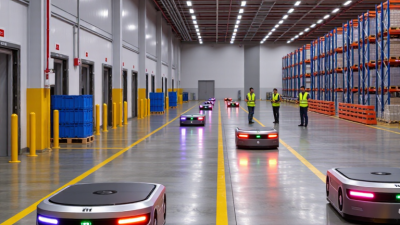
An automated guided vehicle system moves materials through a facility with limited direct human control. It may carry a pallet from a production line to a storage lane, then stop at a charging point. Depending on the design, vehicles follow magnetic tape, floor markers, wires, or laser-based routes. Sensors help detect obstacles and trigger a stop. The exact setup varies.
Interest in automation has a wider industry context. MHI’s 2024 Annual Industry Report found that 55% of surveyed supply chain leaders planned to increase technology investment over the following three to five years. The figure covers supply chain technology broadly, not AGVs alone. It signals investment appetite, not a guarantee of savings. That distinction matters.
This guide explains how an automated guided vehicle system works, what its main components do, and where it can fit in material handling. It also considers route planning, safety, charging, and integration with warehouse software. A vehicle can look efficient on a clear floor. Busy intersections, blocked aisles, and changing workflows are less tidy. That is often where plans meet reality. AGVs may reduce repetitive transport tasks, but poor traffic design can create delays instead. Readers should assess their own loads, routes, and operating conditions before choosing a system.
Definition and Core Purpose of an Automated Guided Vehicle System
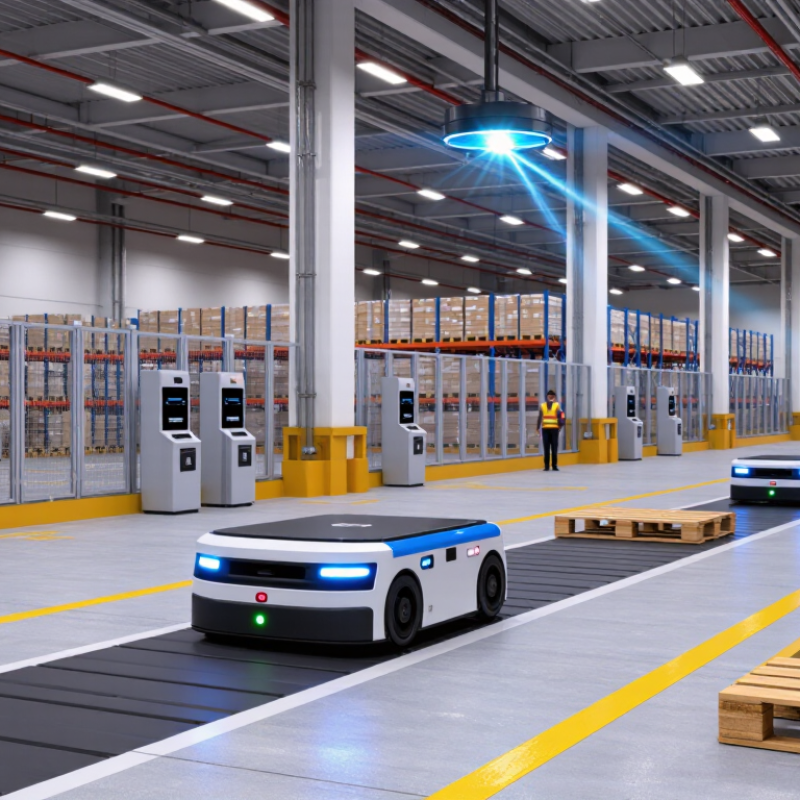
An automated guided vehicle (AGV) system is a combination of driverless vehicles, navigation technology, safety controls, and fleet-management software. Its core purpose is to move materials between defined points with less routine manual handling. Picture a loaded cart traveling from a production line to a storage lane, then stopping when a person crosses its path. Depending on the system, vehicles follow markers, magnetic guidance, or mapped routes. They are not simply “robots on wheels”; traffic rules, charging, and handoff points matter too.
The International Federation of Robotics reported that sales of professional service robots for transportation and logistics reached nearly 113,000 units in 2022, up 44% from 2021. This category includes more than AGVs, so the figure is not an AGV-only count. Still, it signals growing use of automated material movement. In practice, an AGV system works best when routes and loads are predictable. A blocked aisle can still slow the whole flow. Automation is not magic.
Tips: Map real walking and cart routes before choosing vehicle paths. Test busy intersections, turning space, and load handoffs during a small pilot. Keep a manual workaround; real warehouses rarely behave perfectly.
How an AGV System Navigates and Transports Materials
What Is an Automated Guided Vehicle System?
How an AGV System Navigates and Transports Materials
An automated guided vehicle (AGV) moves materials along planned routes without an onboard driver. A fleet controller assigns jobs, while sensors help each vehicle follow its path and react to obstacles. Depending on the site, navigation may use floor markers, reflectors, magnetic tape, or laser-based mapping. Picture a vehicle collecting a pallet at a staging point, then turning into a marked aisle as a person crosses nearby. It slows or stops when its safety sensors detect a hazard. Small details matter: blocked routes and poorly placed pickup points can disrupt a whole sequence.
The International Federation of Robotics reported about 86,000 professional transport and logistics robots sold in 2022, up 44% from 2021, in World Robotics 2023. That figure covers more than AGVs, but it signals growing interest in automated material movement. Before deployment, teams should map traffic, test loads, and check how the vehicles interact with forklifts and people. A digital route can look perfect. Real floors are less predictable.
Tips: Keep aisles clear, mark pickup and drop-off zones, and test routes during busy shifts. Review near-misses and stoppages; the first layout may need revision.
Key Components of an AGV System
An automated guided vehicle (AGV) system is more than a driverless cart. Its core components work together to move materials safely and predictably. The vehicle includes a chassis, drive motors, wheels, and a power source, often a rechargeable battery. Navigation equipment—such as cameras, laser scanners, or floor markers—helps it follow a route and detect nearby obstacles. The right setup depends on the facility layout and the loads being carried.
A fleet control system assigns tasks and coordinates vehicle traffic. It may connect with warehouse software, production equipment, or operator terminals. Safety scanners and emergency-stop controls help protect people and equipment, while charging stations keep vehicles available between shifts. Some sites also need network coverage and marked pickup points. These details are easy to underestimate. A narrow aisle or a poorly placed station can slow an otherwise capable system.
Tips: Map real traffic before choosing routes. Check how carts, people, and forklifts share each aisle. Test sensor performance under actual lighting and load conditions. Keep a manual fallback plan; technology can behave differently than expected.
Common AGV Types and Their Applications
What Is an Automated Guided Vehicle System?
Common AGV Types and Their Applications
Automated guided vehicle systems move materials along planned routes with limited direct human driving. Their vehicle types differ by load, transfer method, and working environment. Choosing one starts with the task, not the machine.
Tow tractors pull trains of carts between production areas, warehouses, and shipping zones. They suit repeated deliveries, such as carrying components to several assembly stations. Unit-load AGVs carry pallets, bins, or other loads directly. They often serve production lines and storage areas where loads need predictable handoffs. That distinction matters.
Forklift AGVs lift and place palletized goods, making them useful in warehouses and buffer zones. Some models handle narrow aisles, but aisle width, floor condition, and load stability still need careful assessment. Pallet-moving AGVs travel under or around a pallet, then raise it for short-distance transport. They can support loading points and compact work areas. The fit is not always obvious.
In practice, route crossings, changing inventory, and human foot traffic can complicate a layout that looks simple on paper. A careful site review helps match vehicle type and capacity to real workflows. Even a small turn can matter.
Benefits, Limitations, and Safety Considerations
An automated guided vehicle (AGV) moves materials along planned routes using guidance systems such as floor markers or sensors. It can reduce repetitive walking, move loads between production stations, and make material flows more predictable.
The broader market is expanding: IFR’s World Robotics 2024 report recorded nearly 113,000 professional transport-and-logistics service robots sold in 2023, a 35% annual increase. That figure covers more than AGVs alone, so it signals industry momentum, not guaranteed AGV results.
Still, automation is not magic.
AGVs work best when routes, loads, and handoff points are well defined. Narrow aisles, blocked paths, uneven floors, and charging needs can limit throughput. A delayed vehicle may also hold up the next station. No route stays perfect forever. Safety planning matters: assess pedestrian crossings, blind corners, stopping distance, load stability, and emergency access. Use clear floor markings, controlled vehicle speeds, and procedures for maintenance. A site-specific risk assessment should guide system design and align with applicable industrial mobile-robot safety standards.
Tips: Walk the route before installation. Check turning space with a loaded vehicle, not an empty one. Then test busy shifts and shift changes; people do not always move like the layout plan. A clean floor helps, but real floors rarely stay clean. Keep checking near-misses and congestion after launch, and adjust routes when conditions change.
Related Posts
-
How to Choose the Right AGV Robot for Your Business?
-
2026 How to Implement AGV Automation in Your Warehouse Operations?
-

What is the Future of AGV Technology in China Best Solutions?
-
Top 10 Differences Between AGV and AMR Technologies?
-

China Top 10 AGV and AMR Innovations You Need to Know?
-
How to Optimize AGV Automation for Your Supply Chain?