What is an AMR Vehicle and How Does It Work?
The rise of automation is reshaping many industries. One key player in this shift is the AMR vehicle. These autonomous mobile robots efficiently transport goods in warehouses, factories, and distribution centers. According to a recent report from the Association for Advancing Automation, the global market for AMR vehicles is expected to reach $15 billion by 2026. This growth highlights their increasing importance in supply chain management.
AMR vehicles operate by utilizing advanced sensors and AI algorithms. They can navigate complex environments with ease, reducing the need for human intervention. A study from McKinsey indicates that implementing these vehicles can boost operational efficiency by up to 30%. However, challenges remain. Integrating AMR vehicles into existing workflows can be difficult. Companies must reevaluate their processes and employee roles to maximize benefits.
As we explore the workings of an AMR vehicle, it's crucial to acknowledge these complexities. While their potential is significant, real-world applications may not always meet expectations. Ongoing research and development are necessary to ensure these vehicles fulfill their promise.
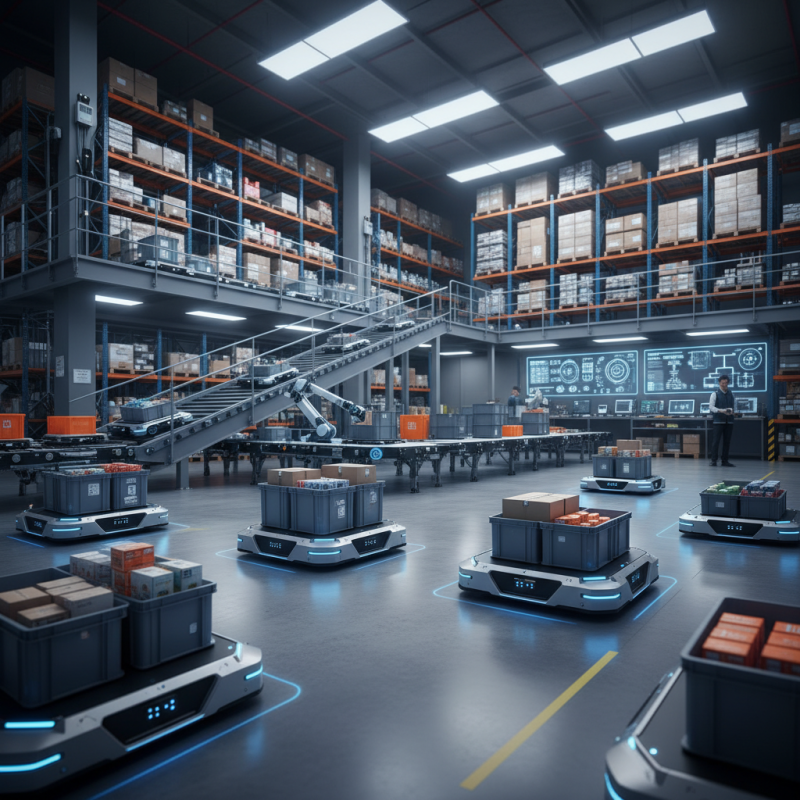
Understanding AMR Vehicles: Definition and Overview
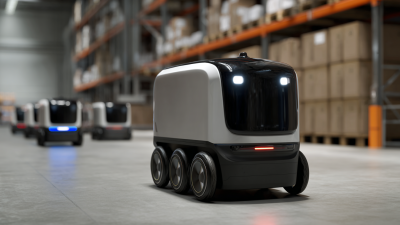
Autonomous Mobile Robots (AMR) are innovative machines designed to assist in various tasks. They navigate environments without human intervention. This technology is reshaping sectors like logistics and agriculture. AMRs utilize advanced sensors and algorithms. These enable them to interpret their surroundings, avoid obstacles, and perform designated tasks.
Understanding AMR vehicles begins with their key features. They often use cameras, lasers, and other sensors for navigation. This collection of tools allows them to operate safely around people and assets. However, despite their advancements, AMRs can occasionally misjudge spaces. This challenge can lead to inefficiencies in busy areas. Developers are constantly refining their systems to enhance reliability.
In daily operations, AMRs can streamline workflows. They transport goods and assist in inventory management. However, they require regular maintenance and updates. Their technological reliance can make them vulnerable to software issues. This aspect needs careful consideration for long-term integration. Balancing automation with human oversight remains a focal point for users.
Key Components of AMR Vehicles: Sensors and Navigation Systems
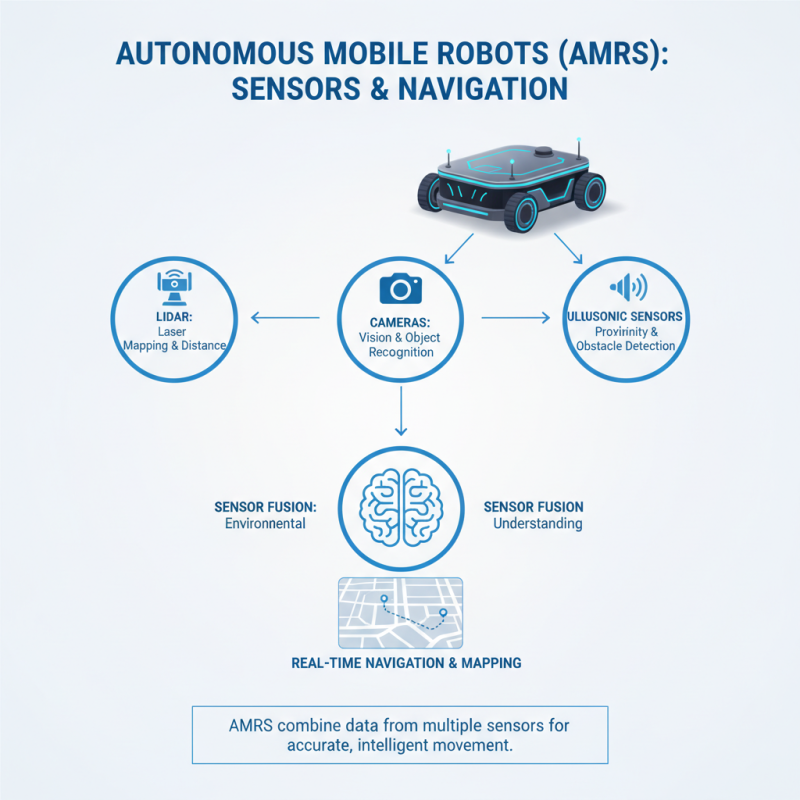
Autonomous Mobile Robots (AMRs) rely heavily on advanced sensors and navigation systems. These components work together to allow AMRs to understand their environment. Most AMRs use a mix of LIDAR, cameras, and ultrasonic sensors. This fusion of technologies helps them map their surroundings accurately.
LIDAR provides high-resolution spatial data. It measures distances by analyzing light reflections. This data is crucial for creating a 3D map of the surroundings. According to industry reports, nearly 40% of AMR solutions leverage LIDAR for effective navigation. Cameras complement this by providing visual recognition capabilities, allowing AMRs to identify obstacles, pathways, and even people.
Navigation systems are also pivotal in AMR’s functionality. They combine the data from various sensors to make real-time decisions. Some systems use simultaneous localization and mapping (SLAM) techniques. This allows the robot to adapt to dynamic environments. However, challenges remain. For instance, reflections or obstructions can confuse sensors. Adjustments and improvements are ongoing, reflecting the ever-evolving nature of this technology. Continuous refinement is needed to enhance accuracy and reliability.
How AMR Vehicles Operate: The Role of AI and Machine Learning
AMR vehicles, or Autonomous Mobile Robots, use advanced technologies to navigate and perform tasks. Their operation heavily relies on artificial intelligence and machine learning algorithms. These systems allow AMRs to learn from their environments and improve over time. For instance, they can map out a space, identify obstacles, and optimize their paths for efficiency. The AI processes information in real time, adapting to changes as they occur.
Machine learning plays a crucial role in this process. Through data analysis, AMRs can make better decisions about movement and task execution. They analyze patterns in their surroundings and adjust their behaviors accordingly. However, despite these advancements, challenges remain. AMRs may misinterpret data or encounter situations they haven't “experienced” before. These moments highlight the need for continuous improvement and human oversight in their operation.
The integration of sensors complements AI. These devices gather data like distance, speed, and environmental factors. While the technology is impressive, it isn't flawless. There are instances where the vehicle may not recognize an obstruction correctly. This limitation requires ongoing refinement and testing, showcasing the evolving nature of AMR technology.
What is an AMR Vehicle and How Does It Work?
| Feature |
Description |
Technology Used |
| Navigation |
Utilizes sensors and mapping data to navigate autonomously within a designated area. |
SLAM (Simultaneous Localization and Mapping), LIDAR, and cameras |
| Obstacle Detection |
Detects and avoids obstacles in real-time to ensure safe navigation. |
Ultrasonic sensors, infrared sensors, and computer vision |
| Cargo Handling |
Equipped to pick up, transport, and drop off various types of goods. |
Robotic arms and gripping mechanisms |
| Fleet Management |
Centralized control system to monitor and optimize the performance of multiple AMRs. |
Cloud computing and AI algorithms |
| Learning Capabilities |
Continuous improvement and adaptation to changing environments through data analysis. |
Machine Learning |
Industry Applications of AMR Vehicles: From Warehousing to Delivery
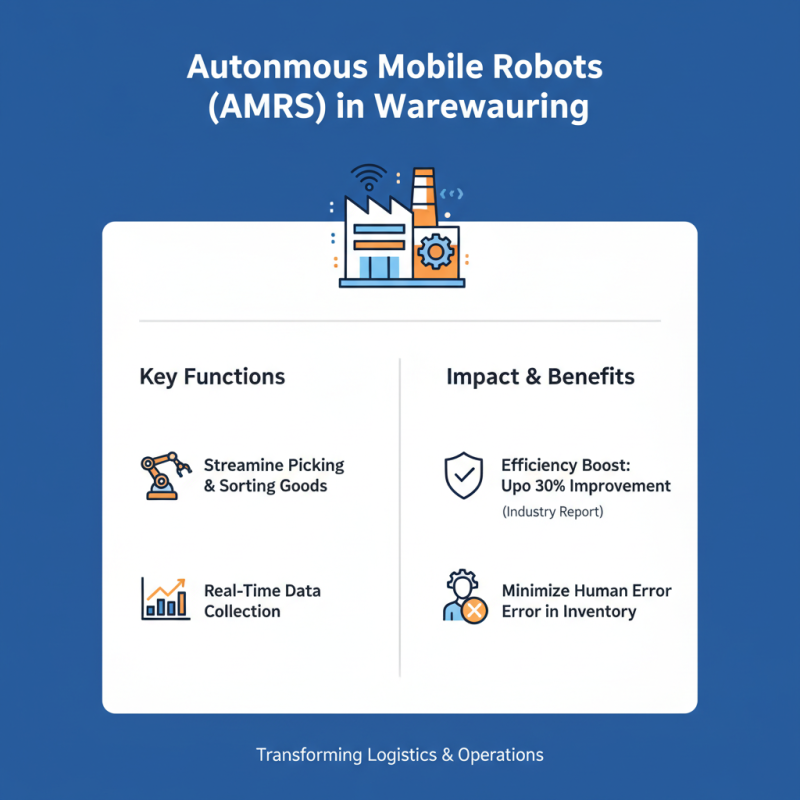
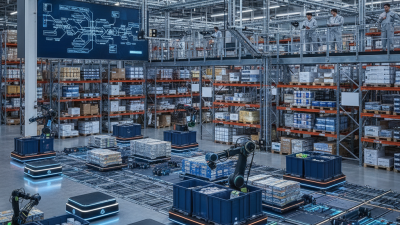
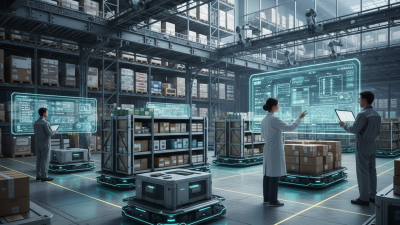
Autonomous Mobile Robots (AMRs) are transforming various industries, especially in warehousing and delivery. In warehousing, AMRs streamline the picking and sorting of goods. According to a recent industry report, warehouses that integrate AMRs can improve efficiency by up to 30%. This technology allows for real-time data collection, minimizing human error in inventory management.
In delivery applications, AMRs are becoming essential. They navigate streets and deliver packages autonomously, which meets the rising demand for fast delivery. A market survey indicates that the demand for delivery AMRs is projected to grow at a compound annual growth rate of 23% between 2021 and 2026. However, not all areas are suited for AMRs. Urban environments present challenges like pedestrians and complex traffic patterns.
Despite their benefits, AMRs face obstacles. Some industries are hesitant to adopt this technology due to initial costs and integration. A significant number of companies report that the technology requires a cultural shift within the workforce. Thus, while AMRs promise efficiency and speed, challenges must be addressed for successful implementation.
Future Trends in AMR Technology: Market Growth and Innovations
Autonomous Mobile Robots (AMRs) are rapidly evolving. The market for these vehicles is expected to grow significantly in the coming years. Companies are investing heavily in AMR technology. This investment aims to improve efficiency and reduce labor costs. Industries like warehousing, retail, and manufacturing are leading this shift. More businesses are adopting AMRs to streamline operations.
Innovations in AMR design are also emerging. These vehicles are becoming smarter and more adaptive. Enhanced sensors and AI technology allow them to navigate complex environments. However, challenges remain. Reliability and safety are ongoing concerns. The integration of AMRs into existing systems often faces resistance. Ensuring they work seamlessly with human workers is crucial.
As the market grows, more startups are entering the field. This competition can drive innovation but may also lead to oversaturation. Not all AMRs are the same. Some might not meet the industry’s demands, affecting reputation. Careful consideration is vital when exploring AMR solutions. Balancing benefits with potential drawbacks is essential for future success.