Top 10 AI and Robotics Innovations Transforming Industries Today
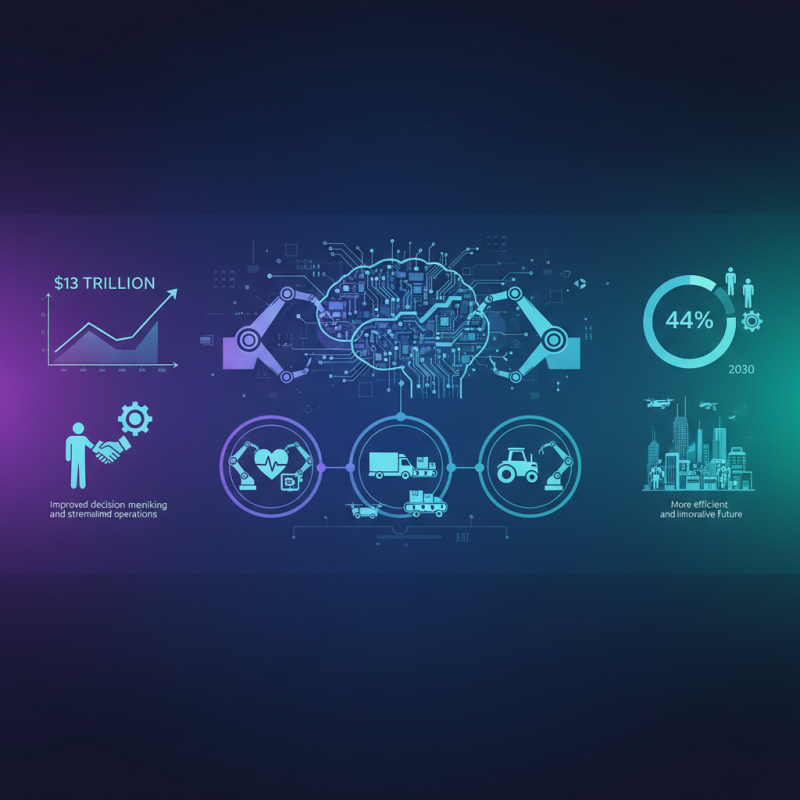
In recent years, the integration of AI and robotics has become a pivotal force in transforming various industries, reshaping traditional practices, and enhancing operational efficiencies. According to a report by McKinsey, AI and robotics are projected to contribute up to $13 trillion to the global economy by 2030, fundamentally altering the landscape of labor, productivity, and innovation. As businesses increasingly adopt these technologies, they are witnessing improved decision-making processes and streamlined operations, leading to significant cost reductions and enhanced customer experiences.
The rapid advancements in AI and robotics are not just limited to manufacturing; sectors such as healthcare, logistics, and agriculture are also experiencing revolutionary changes. For instance, the use of AI-powered diagnostic tools and robotic-assisted surgeries is improving patient outcomes in healthcare, while autonomous vehicles in logistics are set to redefine supply chain efficiency. A report from PwC highlights that by 2030, up to 44% of jobs could be automated, emphasizing the urgent need for industries to adapt and evolve in response to these technological trends. As we delve into the top innovations within this dynamic field, it is essential to recognize how AI and robotics are paving the way for a more efficient and innovative future across diverse industries.
Revolutionizing Manufacturing: AI-Driven Automation Technologies
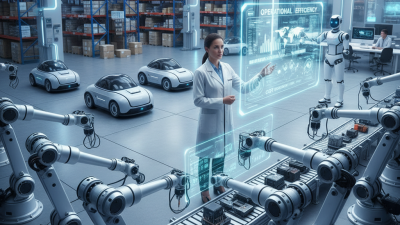
The manufacturing sector is undergoing a profound transformation driven by AI-driven automation technologies.
These innovations not only enhance operational efficiency but also redefine the way products are designed, produced, and delivered.
With advancements in machine learning and robotics, manufacturing processes have become smarter, allowing for
real-time data analysis and decision-making. This integration leads to reduced downtime and increased productivity, as machines can predict maintenance needs
and optimize their functions without human intervention.
Moreover, AI is instrumental in customizing manufacturing workflows, enabling small-batch production
and rapid prototyping. This flexibility allows companies to respond swiftly to market demands and consumer preferences, creating a more agile manufacturing environment.
The use of robotics, guided by AI algorithms, enhances precision and reduces human error, ultimately leading to higher quality products.
As industries embrace these technologies, they not only improve their bottom line but also contribute to sustainability by minimizing waste and energy consumption,
paving the way for a more efficient and environmentally friendly industrial landscape.
Enhancing Healthcare: Robotic Surgery and Diagnostics Innovations
The landscape of healthcare has been radically transformed by advancements in robotic surgery and diagnostic technologies.
Robotic surgery systems offer surgeons enhanced precision and flexibility, allowing for minimally invasive procedures that significantly reduce recovery times and enhance patient outcomes.
These systems are equipped with high-definition cameras and advanced instrumentation, enabling surgeons to perform intricate tasks through small incisions.
This innovation not only minimizes the physical trauma to the patient but also ensures a quicker return to normal activities, illustrating the profound impact of robotics on surgical practices.
In diagnostics, AI-powered robotic systems are proving invaluable in early detection and personalized treatment planning.
These systems analyze vast amounts of data from medical imaging and patient histories with remarkable accuracy, leading to earlier diagnosis of conditions such as cancer and cardiovascular diseases.
The integration of machine learning algorithms allows for continuous learning and adaptation, which enhances the predictive capabilities of these diagnostic tools.
As healthcare continues to embrace these innovations, the synergy between robotics and AI holds the potential to revolutionize patient care and streamline clinical workflows, ensuring a future where healthcare is not only more effective but also more accessible.
Transforming Transportation: Autonomous Vehicles and Smart Logistics
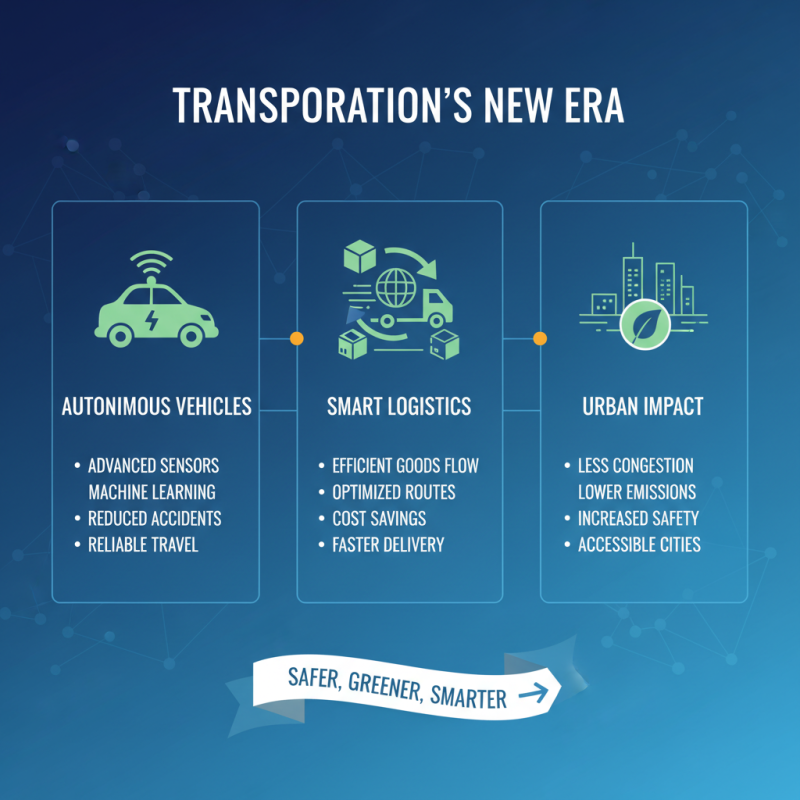
The transportation sector is undergoing a profound transformation with the advent of autonomous vehicles and smart logistics systems. Autonomous vehicles, equipped with advanced sensors and machine learning algorithms, are reshaping how goods and people move. These driverless systems not only promise increased safety and efficiency but also hold the potential to significantly reduce traffic congestion and lower emissions. The elimination of human error in driving can lead to fewer accidents and more reliable travel times, making cities more accessible than ever.
Smart logistics, on the other hand, leverages artificial intelligence to optimize supply chain operations. Through predictive analytics and real-time data tracking, businesses can anticipate demand fluctuations, manage inventory effectively, and streamline their distribution processes. This integration of AI in logistics allows for more agile responses to market changes, minimizing delays and improving customer satisfaction. Together, autonomous vehicles and smart logistics signify a future where transportation is not only smarter but also more sustainable, fundamentally altering how industries operate within the global economy.
Smart Agriculture: AI Innovations for Sustainable Farming Practices
Smart agriculture is rapidly evolving thanks to cutting-edge AI innovations that are paving the way for more sustainable farming practices. With the integration of machine learning and data analytics, farmers can now optimize crop yields while minimizing environmental impact. Smart sensors monitor soil health, weather patterns, and crop conditions in real time, allowing for tailored interventions that enhance productivity and resource management.
Tips: To implement these technologies effectively, begin by assessing your current farming practices and identifying areas where data can be harnessed. Adopting precision agriculture techniques can lead to significant reductions in water and fertilizer usage, ensuring both cost savings and ecological benefits.
Furthermore, AI-driven predictive analytics can guide farmers in making informed decisions about planting schedules and crop rotation. By analyzing historical data and current trends, these systems provide insights that lead to more resilient farming strategies. This proactive approach not only increases efficiency but also builds resilience against the challenges posed by climate change.
Tips: Invest in training and education to ensure that all team members are equipped to use these AI tools effectively. Collaboration with tech experts can also enhance your farm's technological integration, fostering innovation that contributes to long-term sustainability.
Top 10 AI Innovations Transforming Smart Agriculture
Retail Revolution: Personalized Shopping Experiences through AI and Robotics
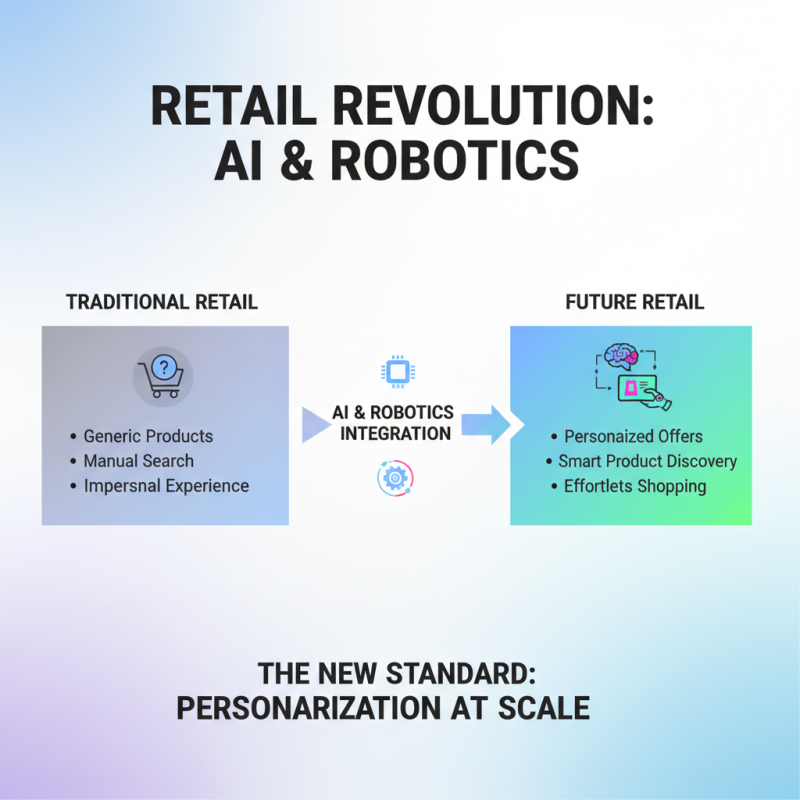
The retail sector is undergoing a significant transformation thanks to the integration of artificial intelligence (AI) and robotics. These technologies are redefining the shopping experience, creating an environment where personalization is the norm rather than the exception. Retailers are increasingly utilizing AI algorithms to analyze consumer behavior and preferences, enabling them to curate product recommendations that resonate with individual shoppers. This level of personalization makes the shopping journey more enjoyable and efficient, allowing customers to find exactly what they want without the hassle of sifting through irrelevant options.
Moreover, robotics is playing a pivotal role in streamlining retail operations. Automated systems assist in inventory management, ensuring that stock levels are optimal and reducing human errors. In physical stores, robots can guide customers to products, answer queries, and even facilitate contactless payment transactions. This interplay between AI and robotics not only enhances the consumer experience but also empowers retailers to respond swiftly to changing market demands, providing a more agile and responsive shopping environment. As these innovations continue to evolve, they promise to further enrich the retail landscape by creating seamless and intuitive shopping experiences that adapt to the needs of each individual consumer.