Why Are AI and Robotics Shaping the Future of Work?
The integration of AI and robotics into the workforce is not just a trend; it's a transformation. According to a 2023 report by McKinsey, automation could displace 75 million jobs globally by 2025. However, it will also create 133 million new roles. This contradiction highlights the complexity of adapting to AI and robotics in the workplace.
Many industries are already experiencing shifts. Manufacturing, healthcare, and logistics are embracing these technologies. For instance, the World Economic Forum indicates that by 2025, machines will perform 85 million jobs. Yet, human skills are still essential. The balance between technological advancement and human employment needs careful consideration.
Challenges remain. Workers must reskill to adapt to new roles created by AI and robotics. A report by OECD suggests that 54% of workers will require significant upskilling. This raises questions about accessibility and equity in education. As AI and robotics reshape the future of work, society must confront both opportunities and dilemmas.

The Rise of AI and Robotics in the Workplace
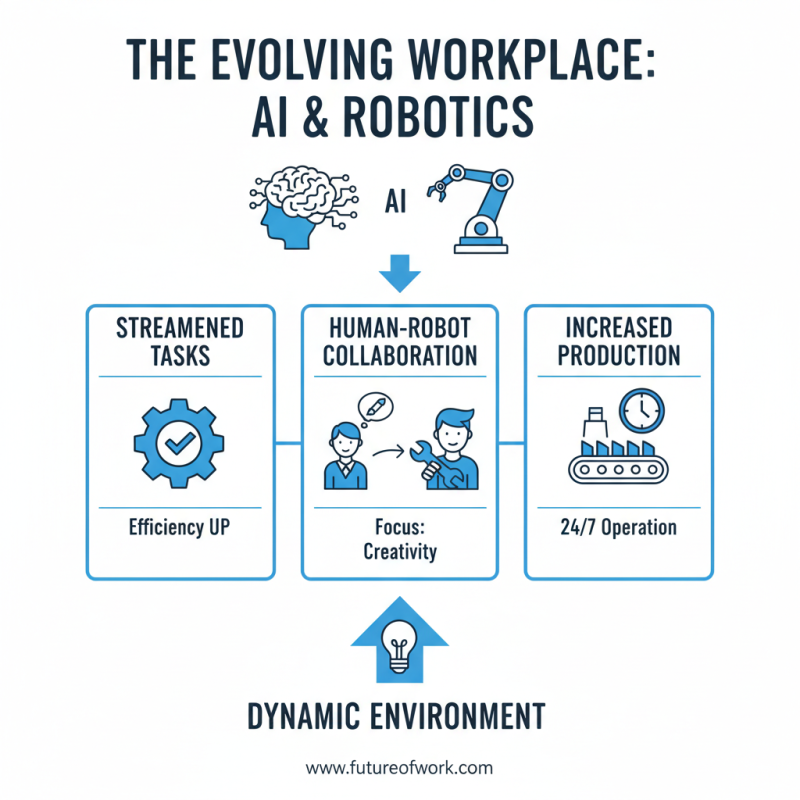
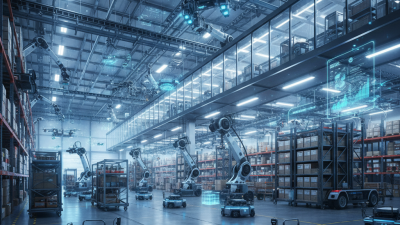
The workplace is evolving rapidly due to AI and robotics. These technologies streamline tasks and improve efficiency. Robots can perform repetitive chores, freeing up human workers for more creative roles. In manufacturing, machines can work around the clock, increasing production rates. This shift can create a more dynamic work environment.
However, not all changes are positive. Some workers fear job displacement. This concern is valid, as automation may replace certain jobs. It's essential for companies to address these fears transparently. Ongoing training programs can help workers adapt to new roles. Workers should embrace continuous learning to stay relevant.
**Tips:** Embrace change. Consider developing new skills. Stay informed about emerging technologies. Engage in dialogues with colleagues about their concerns. Together, organizations can navigate this transformation thoughtfully.
Impact on Job Roles and Employment Opportunities
The rise of AI and robotics is reshaping job roles in significant ways. Many traditional tasks are being automated. For example, repetitive jobs in manufacturing are increasingly done by machines. This shift can lead to job displacement for workers. However, it also creates new roles that require tech-savvy individuals.
The demand for skilled workers is growing. Fields like data analysis and AI programming are becoming crucial. Employers seek professionals who can interact with technology. This change can be intimidating for many workers. They may feel unprepared or unsure about the future. Upskilling and reskilling become necessary.
There's a pressing need for education systems to adapt. They must equip students for these changing demands. Yet, not everyone can access these resources easily. This disparity can widen the employment gap. As technology advances, we must reflect on how to support those left behind in this transition.
Enhancing Productivity and Efficiency Through Automation
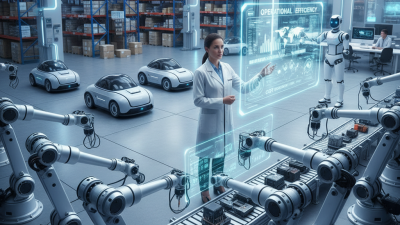
Automation is revolutionizing how we work. AI and robotics enhance productivity by taking over repetitive tasks. Employees can focus on creativity and problem-solving. This shift leads to more meaningful work for individuals.
To integrate automation effectively, consider these tips: Start small with simple tasks. Observe how automation impacts your team. Be prepared for challenges. Not all processes will translate smoothly to automated systems. Flexibility is crucial.
Efficiency gains come at a cost. Team members may feel uncertain about their roles. Communication is key during transitions. Encourage open discussions about fears and opportunities. Create an environment where everyone feels valued. Building trust in automation yields better results.
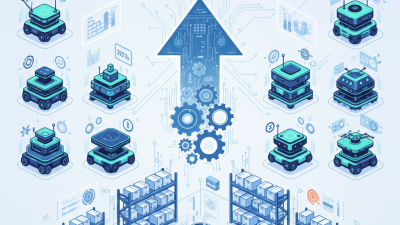
Impact of AI and Robotics on Productivity in Various Sectors
Challenges and Ethical Considerations in AI Integration
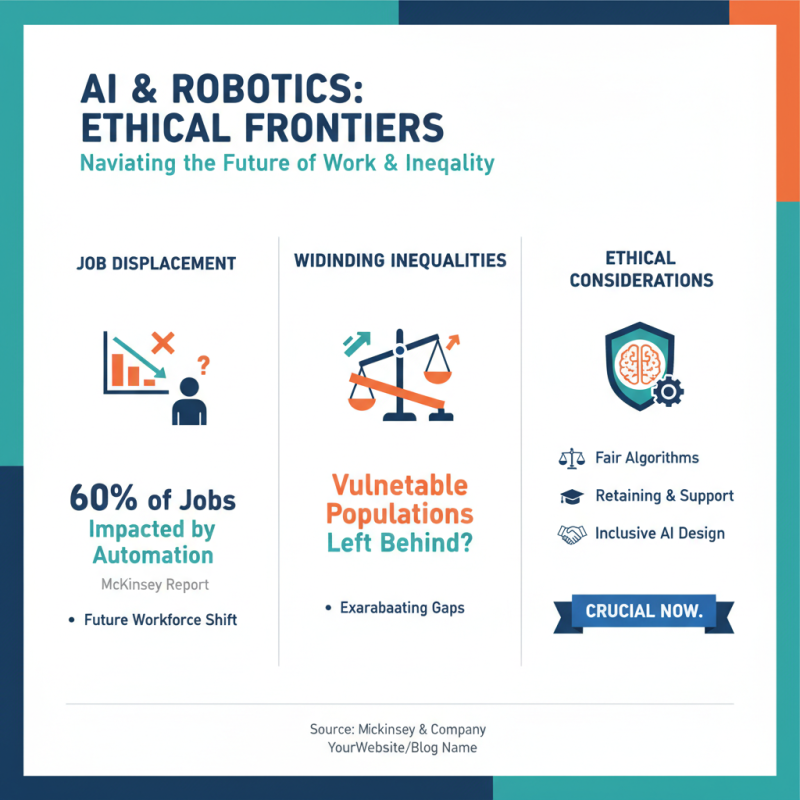
As AI and robotics continue to advance, ethical considerations are more crucial than ever. A recent report from McKinsey indicates that up to 60% of jobs may be affected by automation in the next decade. This raises questions about job displacement and the future workforce. Many fear that AI could exacerbate existing inequalities, leaving vulnerable populations behind.
Moreover, ethical dilemmas arise with data privacy. A study by Pew Research found that 79% of Americans are concerned about how their data is used by AI systems. Lack of transparency in algorithms can lead to biased outcomes, further complicating the integration of AI in workplaces. Companies must reflect on their ethical frameworks and ensure that AI technologies are developed responsibly.
Additionally, there are challenges in managing the human aspect of this transition. Workers may experience anxiety over job security. A Deloitte report suggests that organizations need to invest in reskilling initiatives. The balance between innovation and human welfare is delicate. How do we harness AI’s potential without losing sight of ethical obligations? This is the question guiding the future of work.
Future Trends: The Evolving Relationship Between Humans and Machines
As AI and robotics advance, their role in the workplace evolves. A recent report from McKinsey predicts that automation could displace 20-30% of global work by 2030. This presents both opportunities and challenges for the human workforce.
The relationship between humans and machines is not always seamless. Workers may feel threatened by AI. Fear of job loss can lead to anxiety. For example, a study by PwC found that 37% of workers are concerned about being replaced. Yet, it's important to note that new jobs will also emerge. Roles focused on managing and collaborating with AI will increase.
A survey from Deloitte indicates that 87% of companies are already adopting AI solutions. However, many employees lack the necessary skills. This gap is a vital issue that needs addressing. Upskilling can lead to a more harmonious relationship between humans and machines. The future of work is not just about machines. It’s about finding balance and fostering cooperation.